
facebook twitter instagram linkedin google youtube vimeo tumblr yelp rss email podcast phone blog search brokercheck brokercheck Play Pause

Direct Indexing, Redefined


A Simpler, More Efficient Approach
for Advisors, Broker-Dealers & Family Offices


CompactDI and Bloomberg logos


Developed With and Backed By Bloomberg Data
Trusted By Industry Leaders

Innovative Portfolio Solutions for the Index Investor

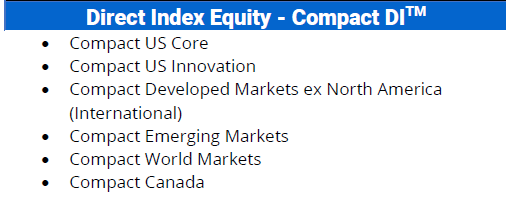
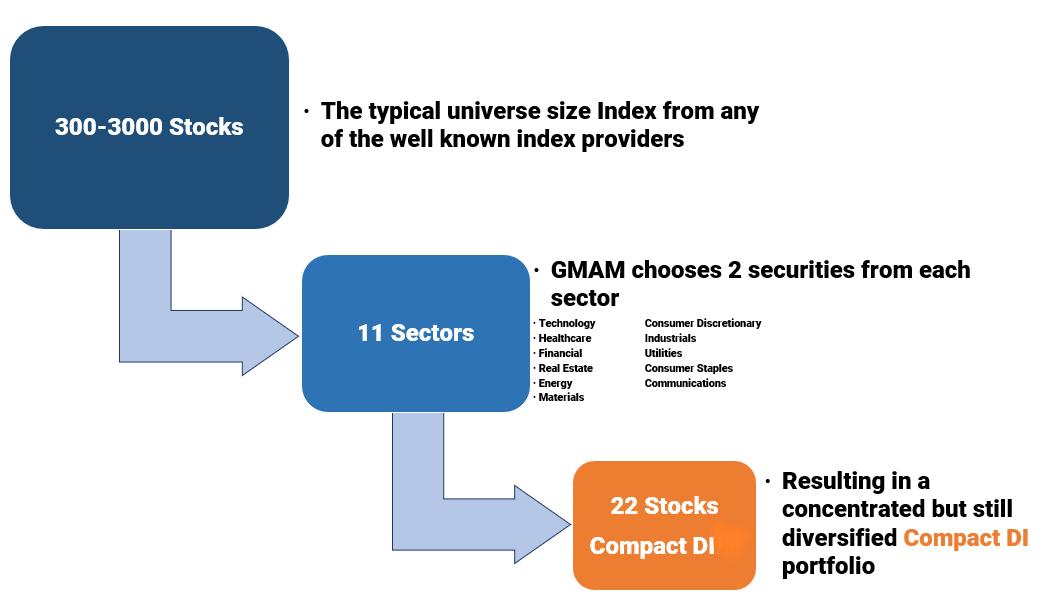
Choose from among 6 Compact DI Direct Index portfolios based on our jointly-developed GMAM/Bloomberg Compact Indices.


Key Benefits
 Simplified Portfolio Construction

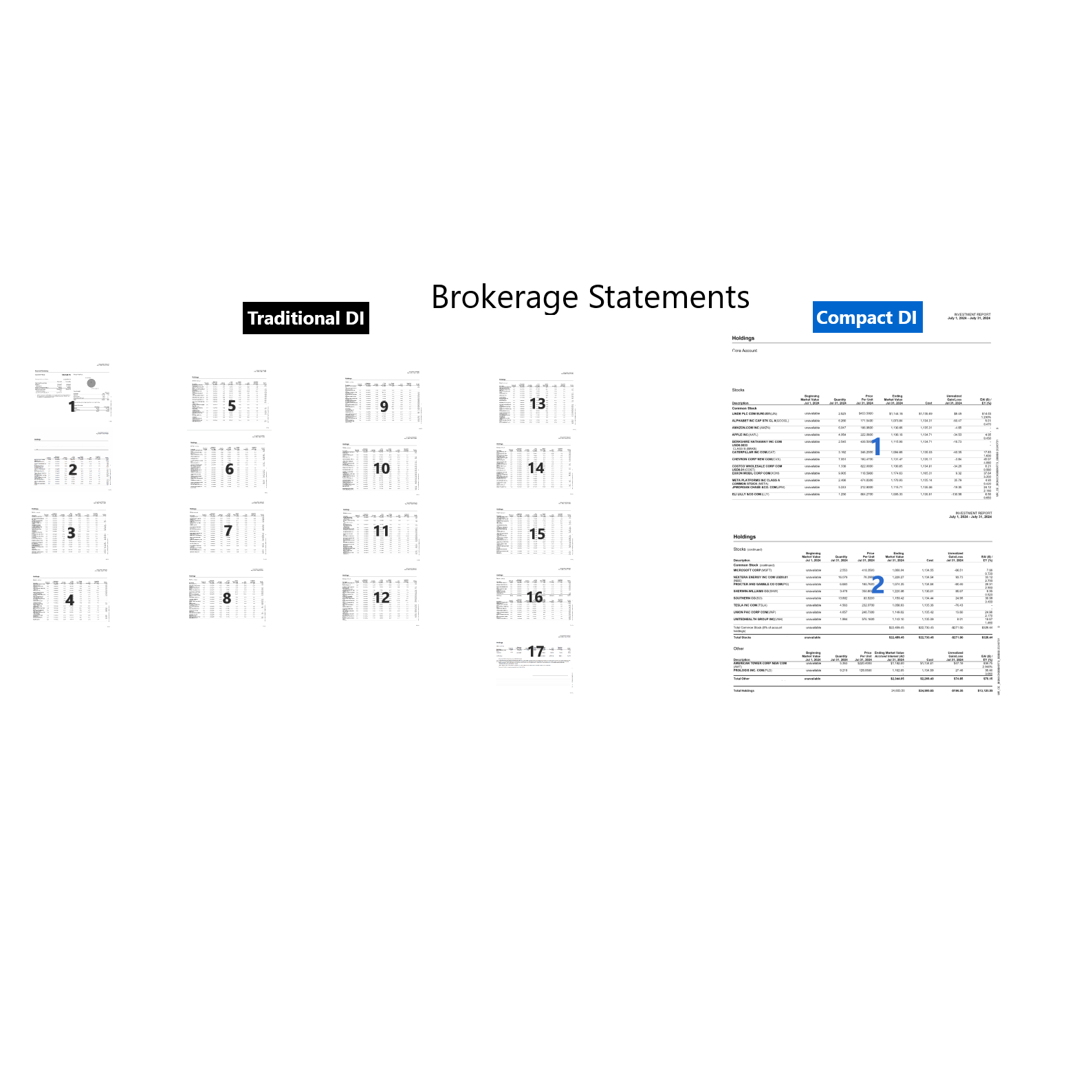
FidFolio and CompactDI statements, cropped

Twenty-two stocks. Same exposure. Less volatility.


Learn More

Enhanced Diversification Without Concentration Risk

Michael Pruzinsky, Bloomberg Equity Indicies

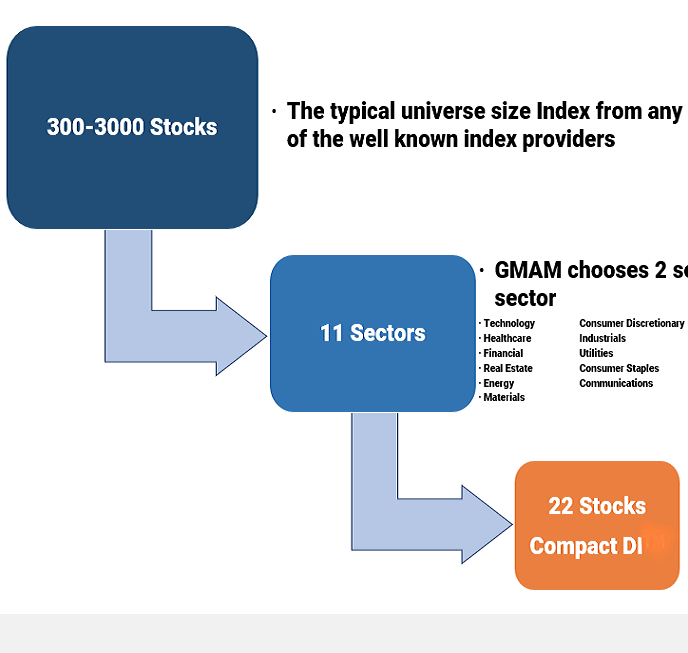
"By equally weighting across eleven economic sectors and including just two securities per sector, these indices offer a balanced exposure that minimizes concentration risk. This approach may allow for a greater ability to withstand sector-specific downturns across a variety of market cycles, as it prevents outsized influence of any single stock." M. Pruzinsky, Equity Indices Product Manager, Bloomberg

Learn More

Built for Advisors, Scalable for Firms
Strategy diagram

"We've invited Global Macro Asset Management, makers of CompactDI, to join Bloomberg’s inaugural Equity Index Advisory Council, taking place on May 20th, 2025. As Bloomberg Equity Indices gain traction among U.S. institutional investors, ETFs, and systematic strategies, we're bringing together key industry voices to share insights and contribute to this important dialogue." D. Nesrallah, Bloomberg Index Services
LEARN MORE

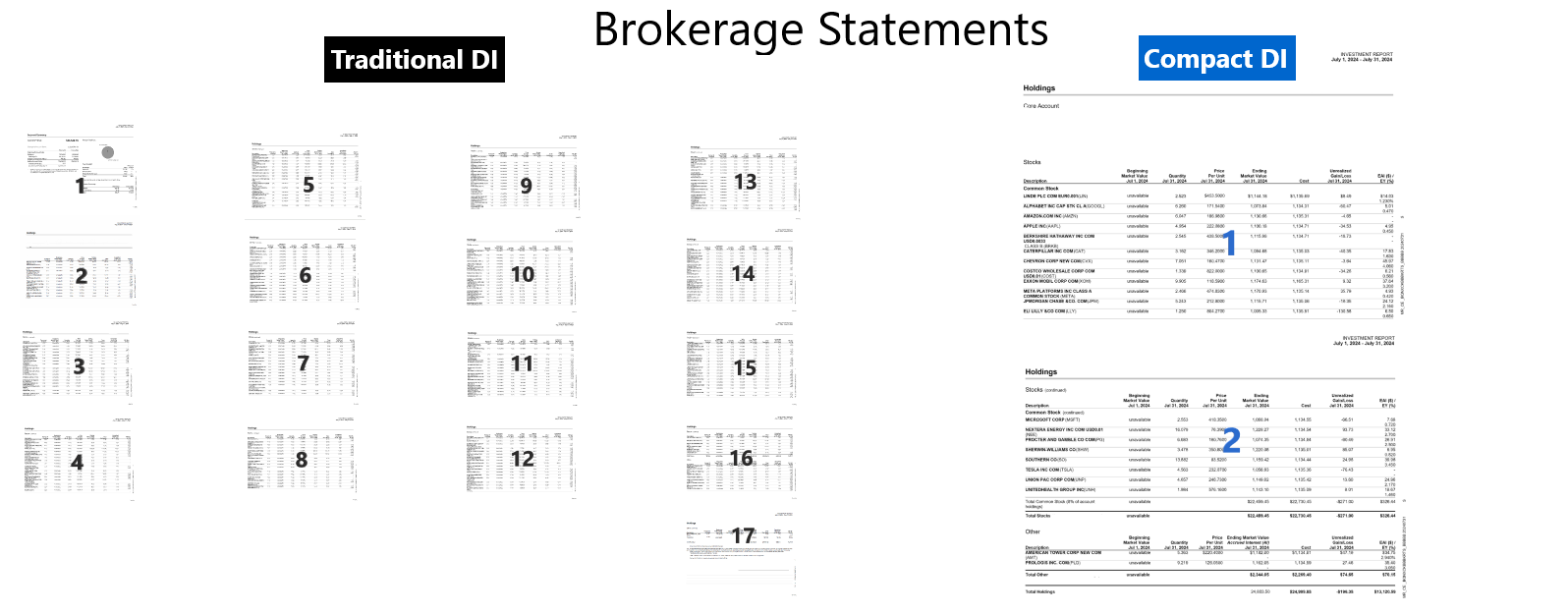
See the Difference: 22 Holdings vs 250.

Fewer Holdings. Deeper Insight. Stronger Conversations.

FidFolio and CompactDI statements compared

How It Works

CompactDI process

Fewer holdings mean fewer...

Trades

  • Even though trading commissions have been reduced significantly and may be zero depending on the firm, the difference in the bid-ask spread can add considerably to trading costs. Creators of the underlying indexes (S&P, MSCI, Russell, etc.), periodically add or delete issues to meet their mandates. The typical Direct indexer who holds 200+ stocks must rebalance their portfolios to match, creating possible unwanted commissions, taxable events, and subsequently reducing returns.

Tax Issues

  • The downside to owning hundreds of individual stocks is that each will have its cost basis, dividends, and profit and loss, which could become burdensome at tax time. 

Proxy Issues

  •  Whether responded to by the client or the Advisor, 200 securities can pose a daunting task - 22 is better!

Client Issues

  • Fewer stocks mean fewer questions about the portfolio. "Why do we own XYZ?", "Why do we own so many stocks"? "Why are these 13 stocks down?" Fewer stocks mean fewer headaches and more time to devote to the important business of running your practice.

Even the most sophisticated investor... 

A friend who is an Advisor to a $10 million Family Office recently had a call from his retired business owner client asking "Why do I own so damn many stocks?"

Achieve true diversification

It should be obvious from the name of our company - Global Macro Asset Management, but we believe true diversification is reflected in a global portfolio. To achieve that other direct index providers would require a portfolio of 300+ stocks. The Compact DI World Portfolio, considers a global universe of over 2000 stocks yet holds only 22 securities.

Strategies

Our Compact DITM proprietary algorithm developed with BloombergTM replicates most of the major US and International indices with as few as 22 stocks while maintaining diversification.

Bloomberg Compact Indices developed with Global Macro Asset Management